
Horror is a literary genre rather than a rigid gameplay style, giving developers total freedom to blend fear into any format. Survival horror traditionally stems from old-school adventure titles, but modern developers have successfully merged the genre with first-person shooters, visual novels, and platformers.
This innovative approach reaches a new peak by combining a relaxing farming simulator with genuine psychological horror. In village in the shade, players balance tending crops and befriending locals during daylight hours with surviving terrifying yokai encounters after dark.
Get your farm ready and stock up on basic seeds before diving into this massive, mechanic-heavy hybrid experience. This review breaks down every system, from crop yields to nightly combat, to see if the unusual genre mashup actually works.
NIS and NIS America released village in the shade on October 28, 2026, bringing together two contradictory themes into one cohesive experience. You spend your days managing agrarian duties while bracing for sudden night visits from hostile spirits.
Evaluating this release requires looking closely at both the relaxing daily loop and the tense nocturnal threats. Let us examine how these two contrasting pillars hold up over dozens of hours of playtime.
Fantastic Farming
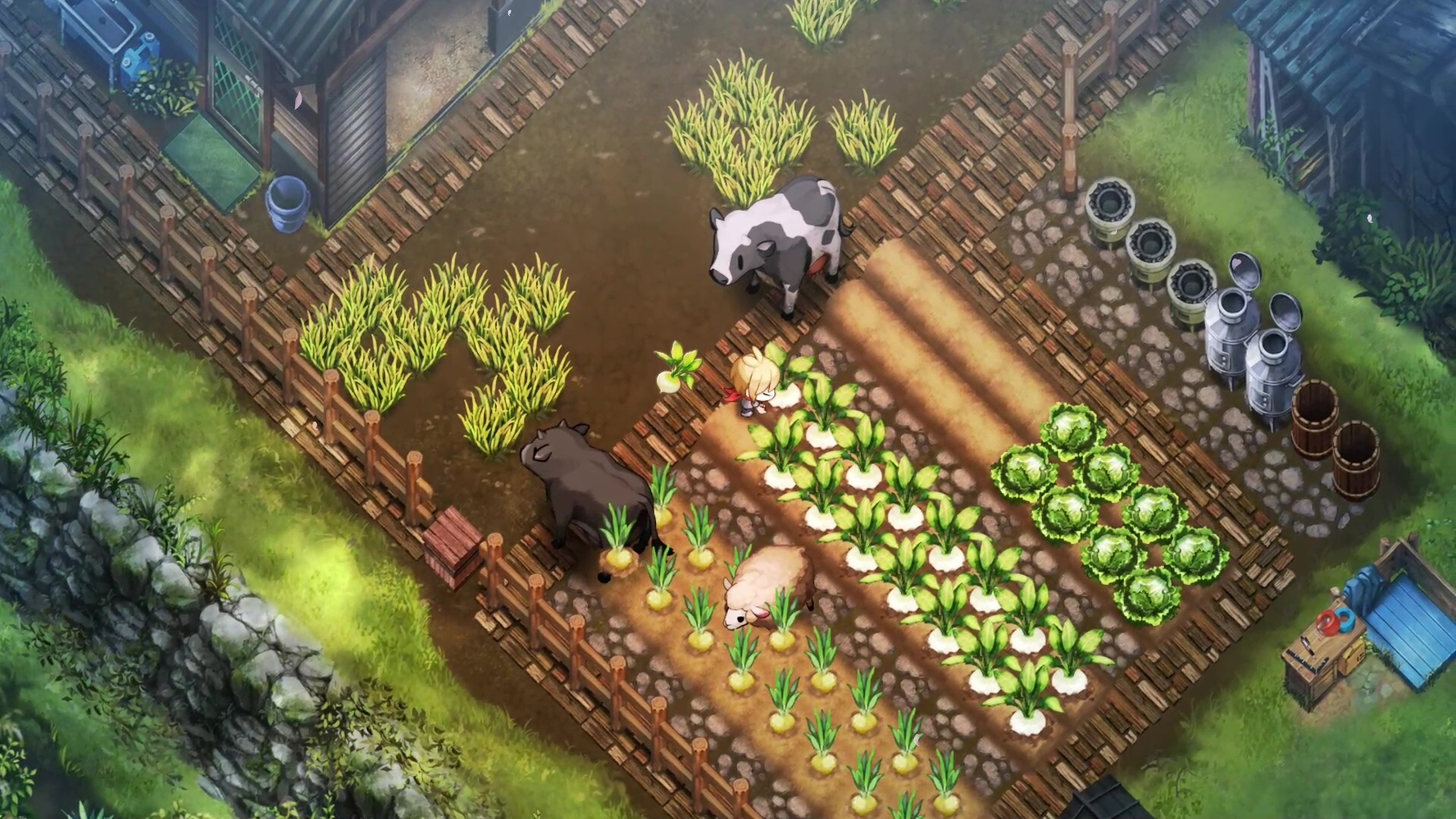
Sharing a development team and art style with the Yomawari series might suggest pure horror, but village in the shade is fundamentally an agrarian management game at its core. You will spend the vast majority of your time cultivating land and building up a prosperous homestead.
Morning routines start by jumping out of bed to tend your fields, tilling soil, dropping seeds, and watering plots daily. Crops take a set number of days to mature before you harvest and sell them for a profit.
When your fields are growing, you can care for livestock like chickens, cows, goats, ducks, and horses. Crafting machines around your farm also lets you process harvested goods into dried foods, jams, wines, and broths.
Venture outside the farm to gather materials or earn extra cash through various seasonal outdoor activities. You can spend hours mining ores, hunting wildlife in the mountains with a bow, or fishing by the village creek.
Village in the shade packs an immense amount of mechanics into a single package, making it surprisingly deep for a debut farming title. Almost every quality-of-life feature and activity expected from top-tier agricultural sims is present here.
Every action is governed by strict time limits, with a full day lasting roughly 20 minutes excluding cutscenes. Time moves fast, so rushing across the map is mandatory if you want to reach the creek or mines before dark.
Stamina dictates every physical task, from swinging a sickle to watering crops, leaving you completely exhausted when depleted. You can restore stamina by eating restaurant meals or consuming your own harvested crops, forcing tough choices between spending money or food resources.
Max stamina increases by leaving specific seasonal offerings at a fox shrine during each of the four seasons. This clever system gives you immediate, tangible goals to grow exact crops every single season.
Juggling crop cycles, animal care, and automated processing machines creates a delightfully frantic experience. Fans of complex farming titles will find endless satisfaction in mastering these interconnected systems.
The in-game field guide tracks every item you grow, craft, or purchase from a pool exceeding 2,600 total collectibles. Discovering around 500 items after 100 hours proves that completionists will be playing this for multiple in-game years.
Horrific Hauntings
Beyond cultivating land, you must contend with the pedigree horror background of developers known for chilling atmospheric titles. Let us examine how the game handles its spooky nocturnal sequences.
Violent door knocking wakes you up randomly every other night, tempting you to step outside and explore the dark village streets. Venturing into the dark exposes you to hostile yokai looking to cause harm.
Brave souls who venture out at night are rewarded with exclusive items like device blueprints, crop price buffs, and unique farm decorations. Risking your neck against the supernatural is the only way to acquire these rare upgrades.
Nighttime encounters and boss fights shine because the game refuses to invent separate combat systems for them. Every single yokai is fought and defeated using the exact same tools you rely on for farming.
| Detail | Info |
|---|---|
| Worm Yokai | Expose hiding worms in tall grass with a sickle |
| Daruma Doll | Smash falling stones with a pickaxe |
| Fire Parrot | Douse flames using a trusty watering can |
Pro tip: Always keep your basic farming tools equipped in your hotbar because you never know when a giant fire-breathing parrot or hidden worm will ambush you.
Blending relaxing farming mechanics with intense horror survival keeps players constantly engaged and adapting. You will find yourself planning optimal crop layouts one minute and strategizing against a deadly boss the next.
Horror elements fluctuate in quality, occasionally leaning into silly jump scares like scarecrow yokai on rainy nights. Other moments genuinely shock you, such as unexpected whispers directly in your ear.
Seasoned horror veterans will appreciate unsettling monster designs, like the silent white ghost lingering near the eastern village exit at night. These touches create an oppressive, memorable atmosphere.
Players who want a pure agricultural experience can toggle an optional non-horror mode called Village in the Sunshine. While conceptually sound, this mode introduces some questionable balance choices.
Giving players infinite stamina in Village in the Sunshine removes the core tension of resource management. Since maximum stamina upgrades are tied directly to standard farming progression, keeping stamina active would have made more sense.
Pacing and Exploration
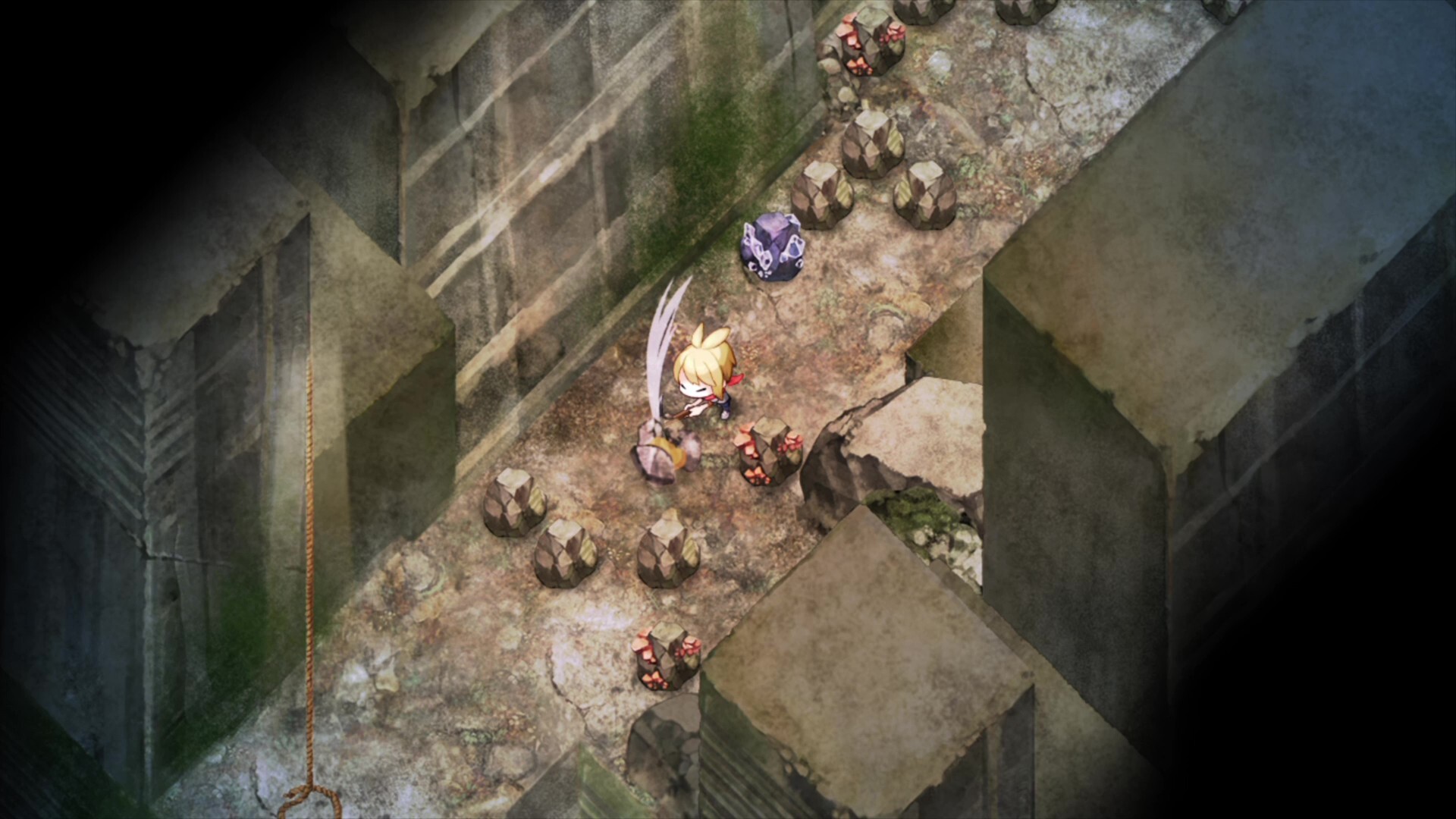
Story progression is notably slow, treating the adventure as a farming game with horror themes rather than the reverse. Entire days pass without plot triggers, leaving you alone with your crops while waiting for nocturnal events.
Reaching the end credits took roughly 95 hours, translating to about one and a half in-game years. Completing this title requires the dedication of a real farmer returning day after day.
Approaching this adventure with the right expectations is vital for enjoying the deliberate pacing. Enter this world wanting a robust farming sim that occasionally terrifies you rather than a straightforward horror thriller.
The game provides a brief introductory tutorial before letting you figure out complex systems entirely on your own. This hands-off design philosophy applies equally to farming outputs and yokai survival tactics.
Crafting advanced materials like cloth for furniture requires total experimentation with processing machines. Recipes only unlock in your field guide after you have successfully manufactured the item at least once.
Discovering how to craft cloth requires dropping various raw materials into different processing machines to see what happens. This trial-and-error loop is essential for filling out your field guide.
Surviving nightly yokai encounters is equally obtuse, requiring ridiculous actions like striking specific rocks while a monster blinks. Alternatively, you can hunt down night-spawned books, bring them to the library, and decipher cryptic riddles.
Piecing together obscure mechanics like max HP upgrades and hidden silk recipes brings immense satisfaction. Overcoming these obtuse hurdles makes the game world feel truly rewarding to explore.
Scanning missing entries in your field guide constantly sparks creative problem-solving and urges you to test new combinations. Few modern titles capture that genuine sense of unguided discovery.
Closing Thoughts
The core farming loop remains accessible for casual players while offering incredible depth for genre veterans to optimize. Every single day presents meaningful choices on how to spend your time.
Magnificent atmosphere and startling horror moments complement the stellar agricultural gameplay. The seamless intersection of farming and fear pushes you to constantly experiment with village secrets.
Fans of either farming sims or horror should not miss out on this standout release. It easily ranks as one of the finest agricultural and horror games of the entire year.
Village in the Shade
| Detail | Info |
|---|---|
| Platform | Nintendo Switch, Nintendo Switch 2, PlayStation 5, PC |
| Genre | Farming Sim, Horror |
| Developer | NIS |
| Release Date | Oct 27, 2026 |
| Playtime | 90+ Hours |
Bottom Line
Expertly blending addictive farming simulation with hair-raising horror makes this release truly unforgettable. It stands as one of the most unique genre mashups of the past decade and demands a playthrough.
Overall Score: 10 / Must-Play
Reader Score: 0.00 based on 0 votes.